Africa | South Africa | Timbavati Private Nature Reserve

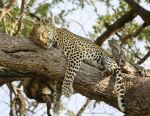
Timbavati Private Nature Reserve lies in South Africa’s northeastern Lowveld, directly alongside Kruger National Park. Covering about 556 square kilometres, it forms part of the larger Greater Kruger landscape, where fences between participating reserves and Kruger have been removed to allow wildlife to move freely. The reserve contains a mixture of savanna, woodland, seasonal rivers, and rocky areas shaped by ancient granite and gneiss formations. Mopane, marula, and leadwood trees are common, while river corridors support denser vegetation. Its location makes Timbavati an important part of one of South Africa’s largest connected wildlife landscapes.
Timbavati was established as a private nature reserve through cooperation among landowners who wanted to protect the Lowveld landscape and its wildlife. Its conservation approach has since developed into a broader partnership involving reserve members, neighbouring communities, researchers, and tourism operators. The name Timbavati is linked to the Xitsonga word for bushbuck, reflecting the region’s cultural and natural heritage. The reserve also plays a role in community development through the Timbavati Foundation, which supports education, healthcare, conservation awareness, and livelihood initiatives in communities bordering the reserve.
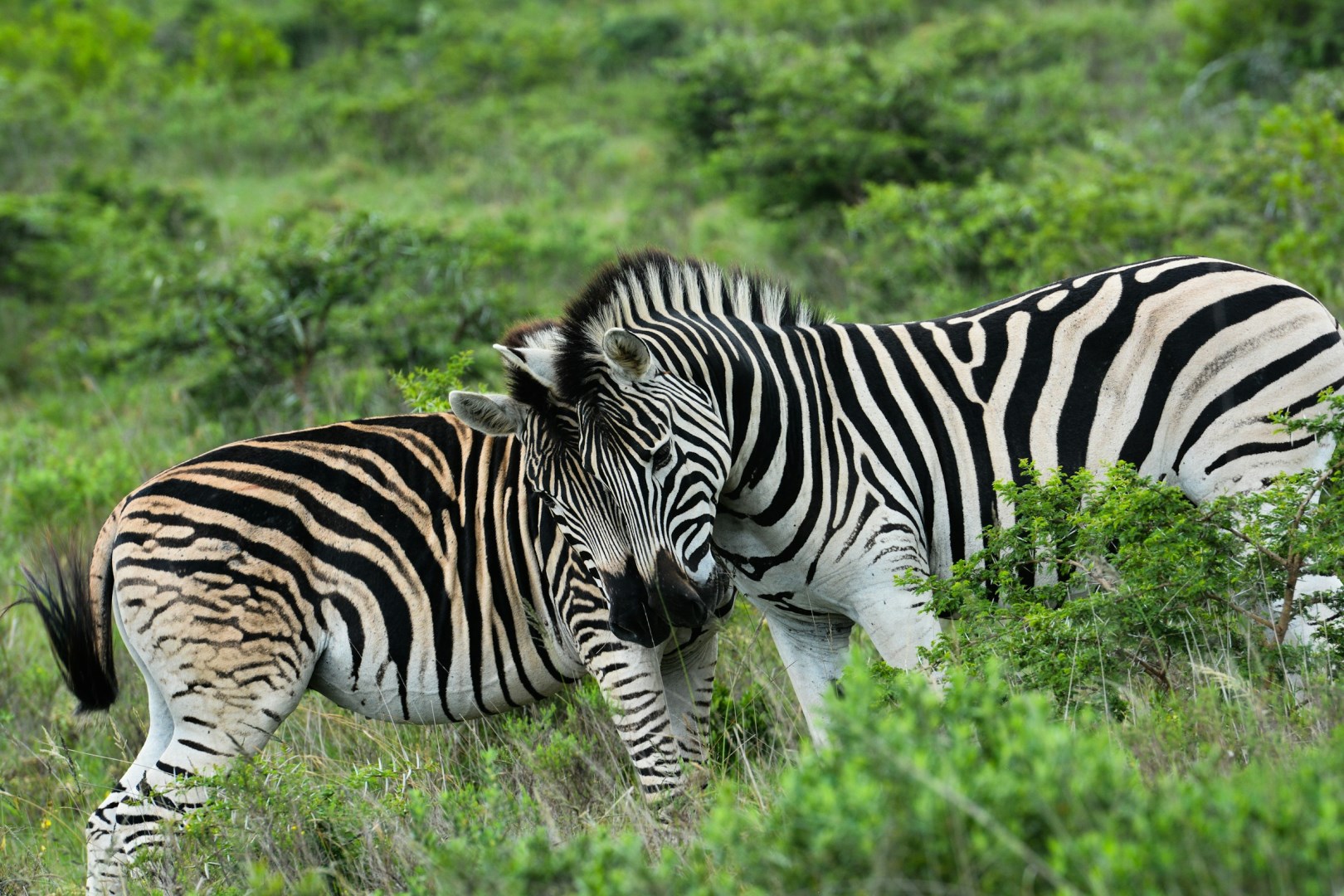
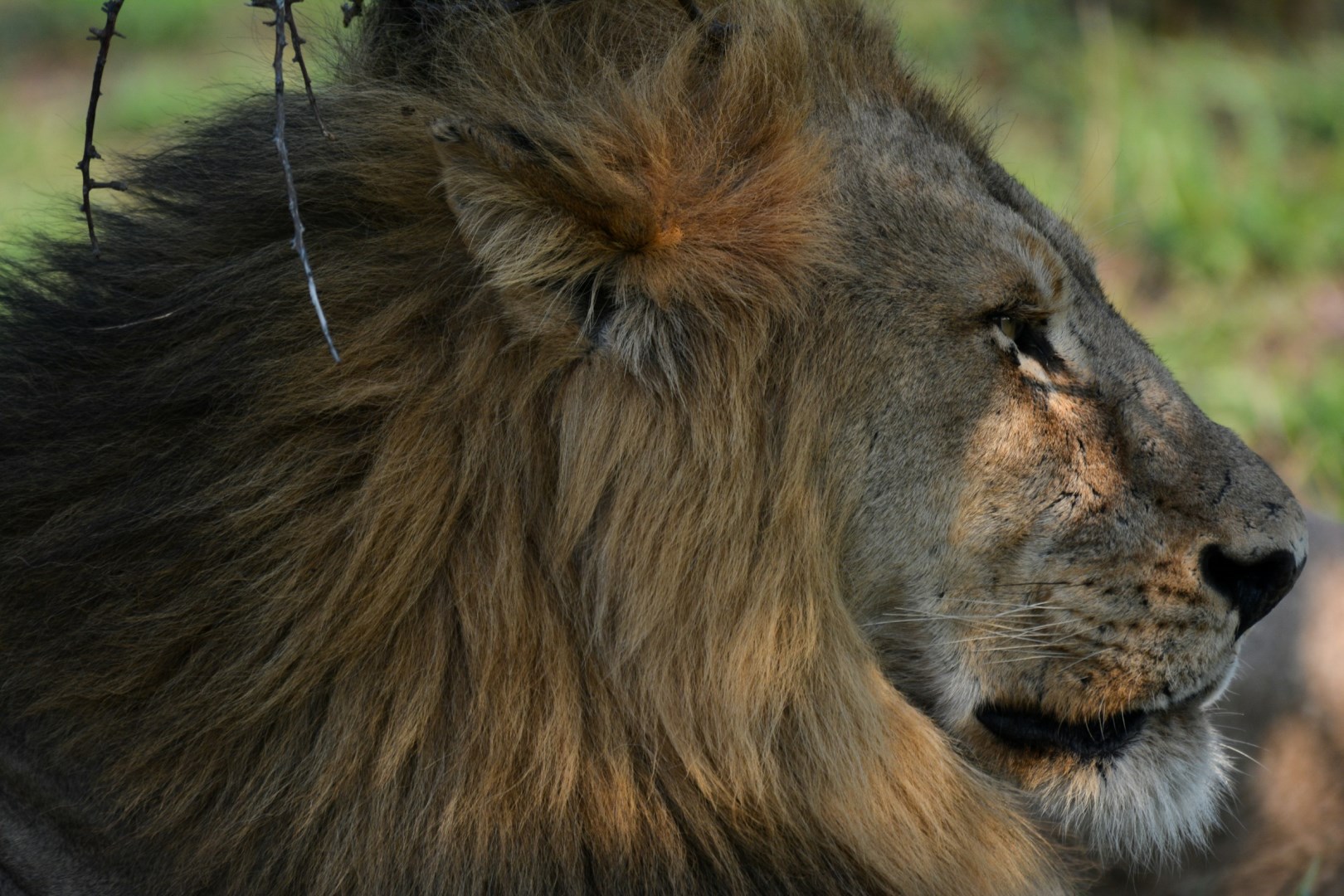
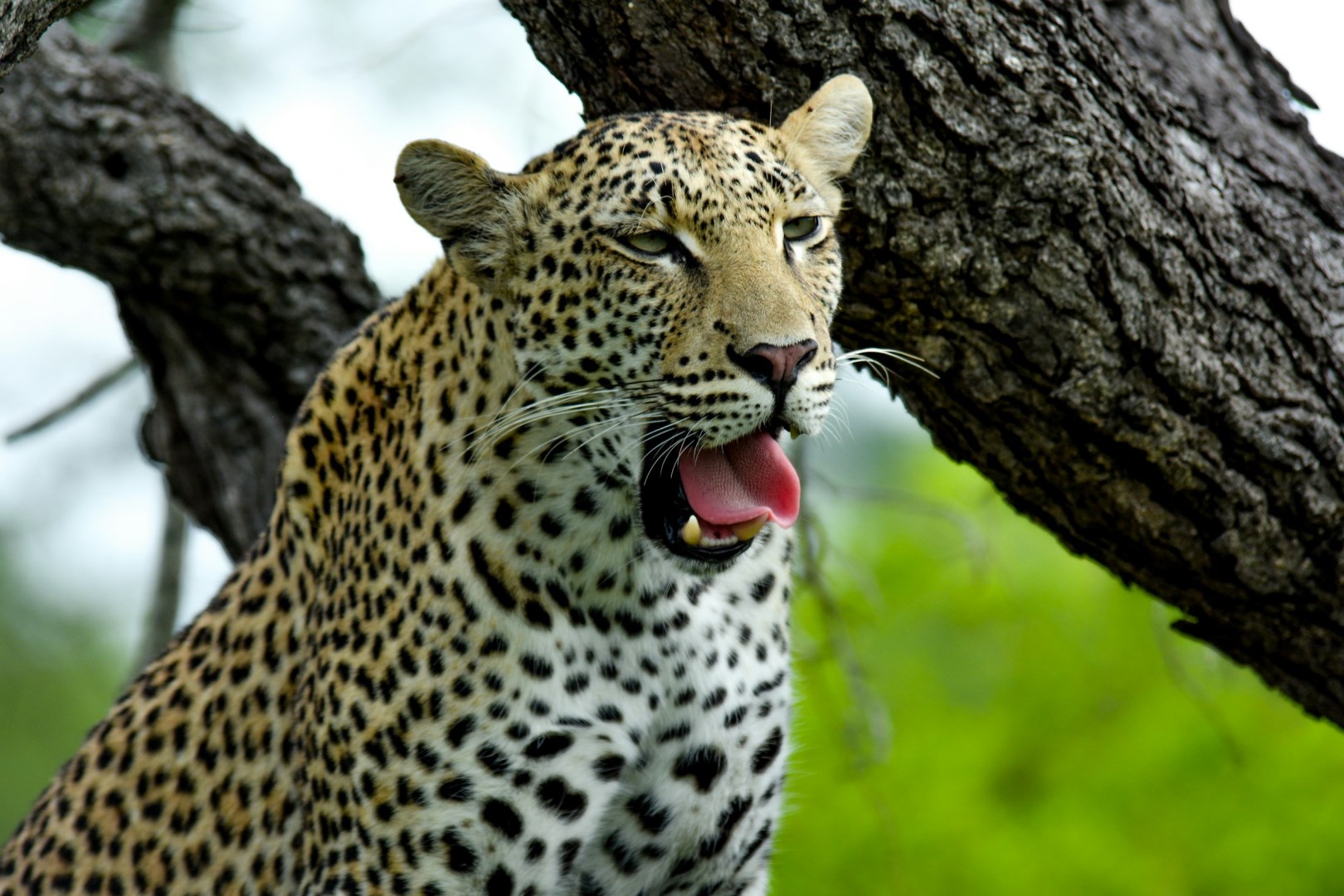
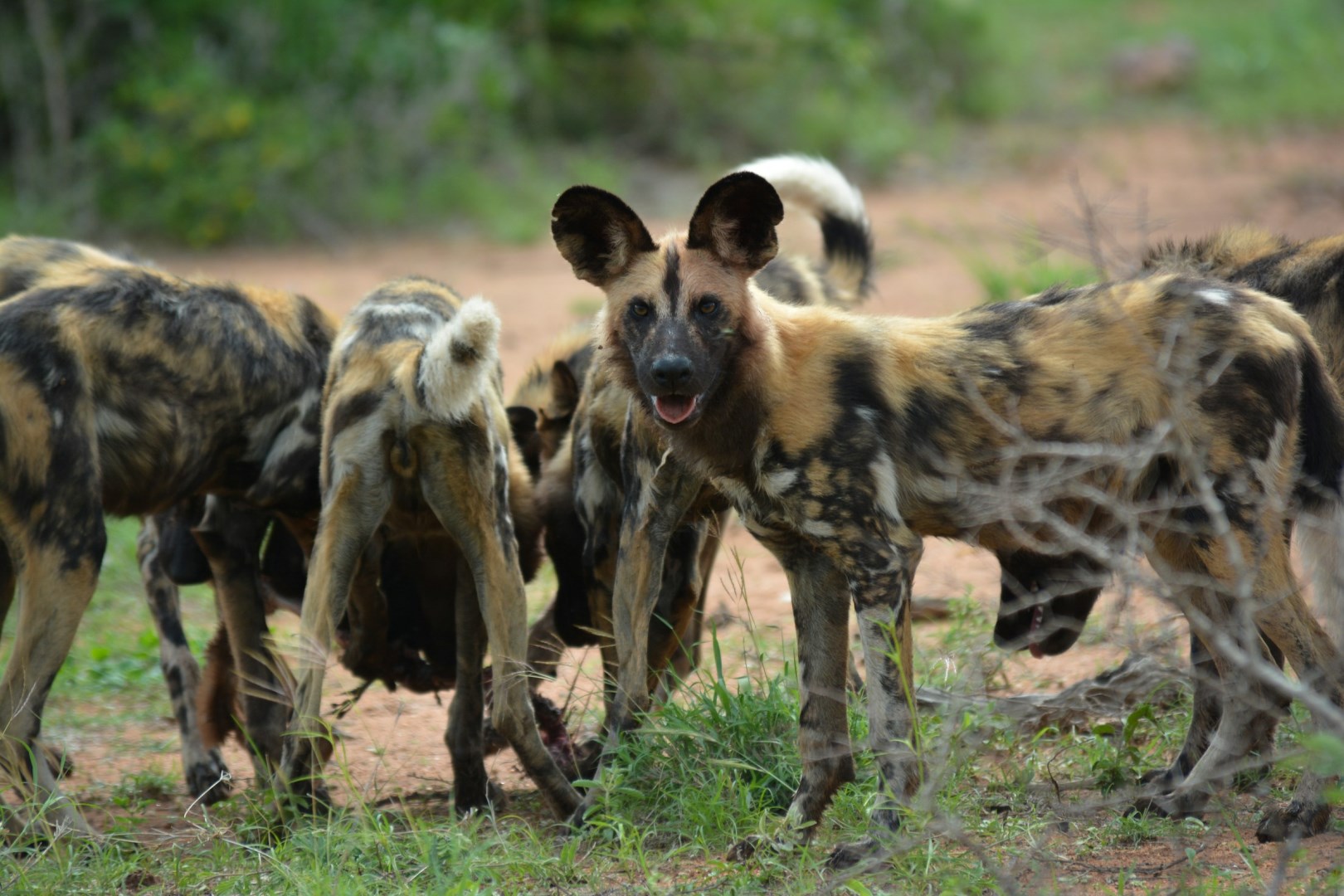
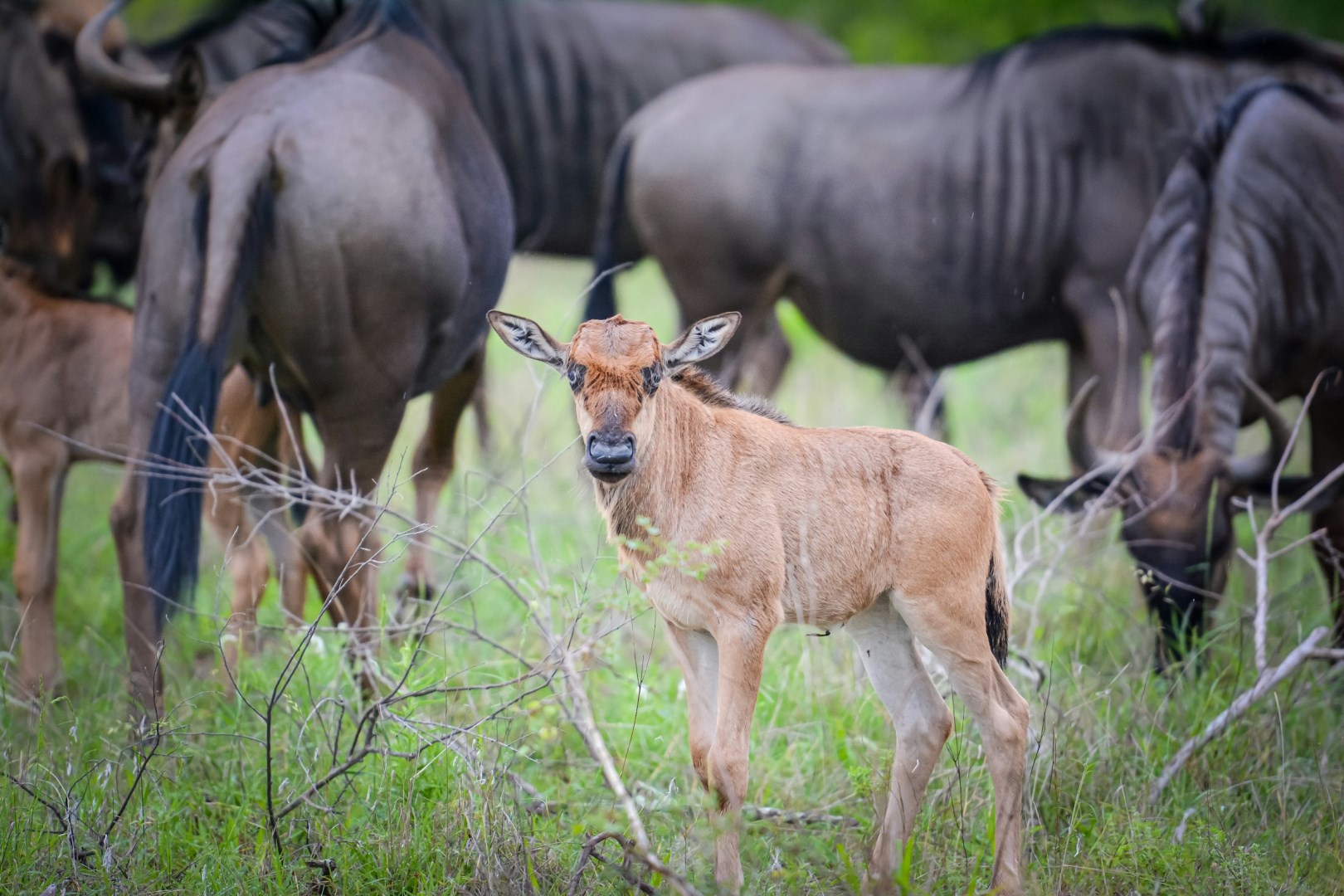
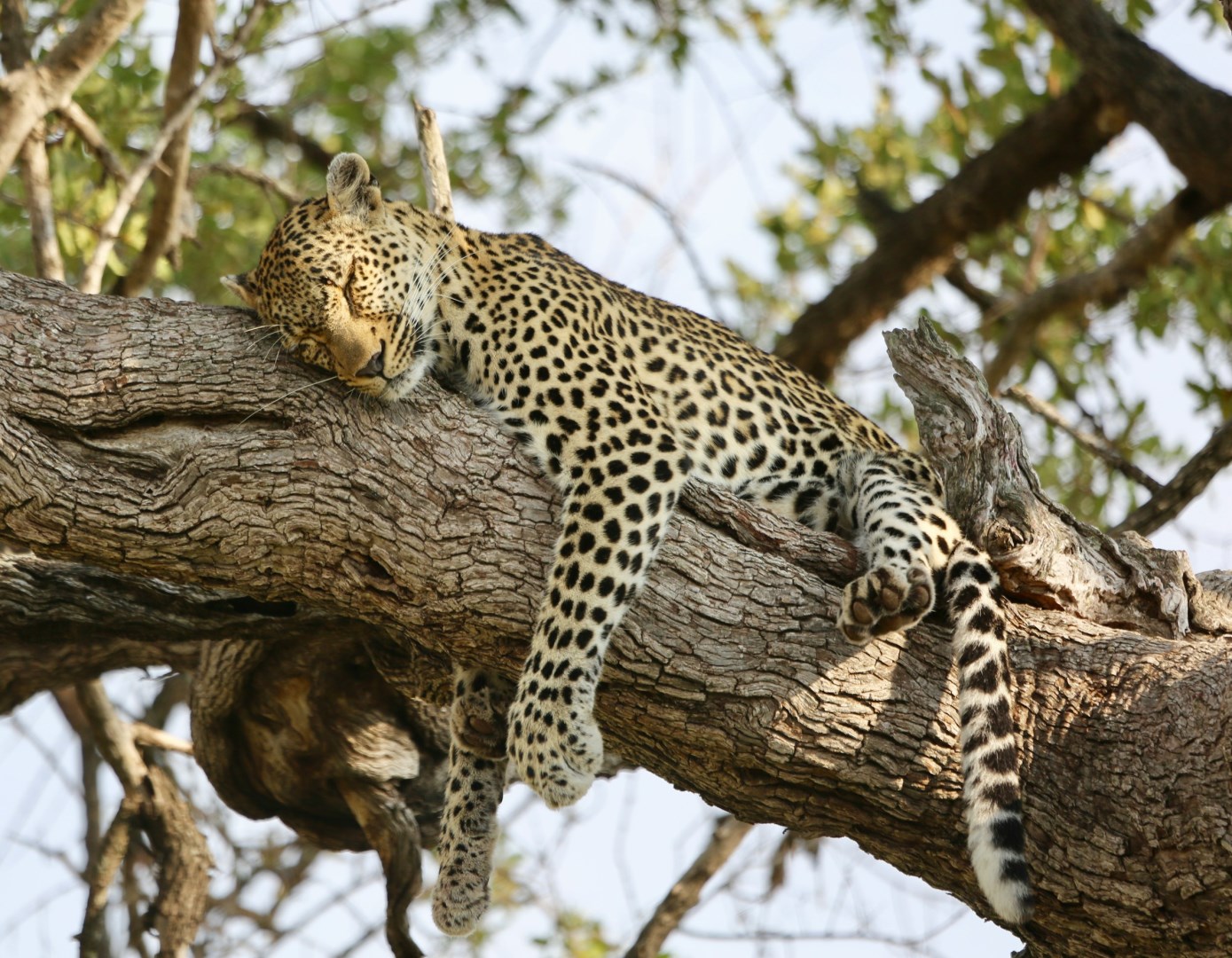
The reserve supports an extensive range of wildlife, including elephant, lion, leopard, rhinoceros, and buffalo, along with cheetah, giraffe, zebra, wildebeest, kudu, impala, and other Lowveld species. Its conservation programmes also monitor birds, reptiles, predators, and threatened species. Game drives and guided walking activities provide ways to explore the bushveld, while safari lodges are spread through different sections of the reserve. The absence of fences between Timbavati and Kruger allows animals to travel across a much larger area, creating a connected ecosystem rather than an isolated wildlife enclosure.
Conservation is central to Timbavati’s identity, with dedicated programmes covering wildlife security, habitat management, ecological research, and community partnerships. The reserve supports studies involving leopards, hooded vultures, and southern ground hornbills, while erosion rehabilitation and alien-plant control help maintain the health of the landscape. Its private reserve model also relies on tourism and conservation levies rather than direct government funding. A distinctive natural feature is the seasonal contrast between dry grasslands and greener river corridors, where fig trees and other water-dependent vegetation create different habitats within the wider savanna environment.
Other Popular Destinations in South Africa